Tag
Literary Fiction
-

Taking Apart a Metaphor: Dan Sinykin and Sarah Brouillette on the Literary Ecosystem
“[Magazine and newspaper criticism] have been, as Dan has described, disembedded from their former professional, conglomerate, often salaried workplace, and turned into all freelance.”






-

Adventures Newly Narrated: Jessica Francis Kane on Penelope Fitzgerald’s Lost Adventure
“There is always a job to be done in Fitzgerald’s novels, and I admire that. I try to write that way, too.”
-
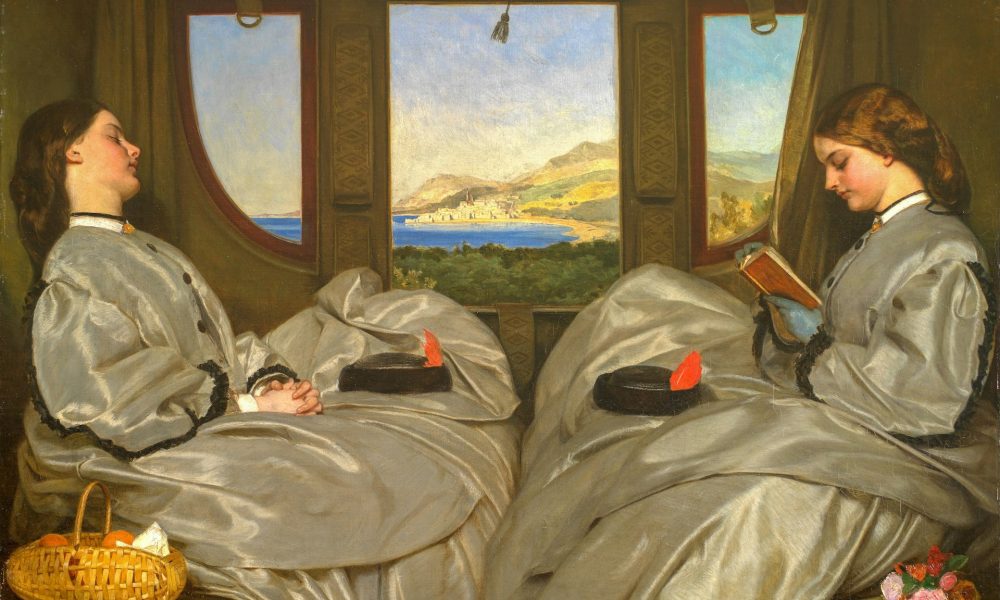
Every Novel Is Boring—Until It Isn’t
“If you didn’t get into novels at a young age—and organically discover that, at some point, a switch would flip, and then you couldn’t stop reading if you tried—there is no reason to intuit that this is how novel reading goes.”
-

The Allure of Postcolonial Pathos
“To what extent might the Booker—and venues like it in Europe and the US—be drawn for self-serving reasons to fiction like Kiran Desai’s?”
-

“Melodrama with a Modern Sensibility”: A Conversation with Megan Cummins
How do the families and friends of those struggling with addiction perceive that addiction, cope with it, and try (or fail) to love that person anyway?
-

Douglas Stuart and the Struggle to Endure
“Although Cal’s Scotland looks a lot different than Shuggie’s or Mungo’s, his story continues the theme of the first two novels, expanding the hardly fictionalized economic and cultural decimation of Margaret Thatcher’s primacy from the urban to the rural.”
-

Style Guide: An Open Letter to the Editor of T Magazine
We here at Public Books are not averse to receiving homage; far from it. In fact we are proud of “B-Sides” and feel it deserves its readership. Let a thousand literary reevaluations bloom, we say!
-
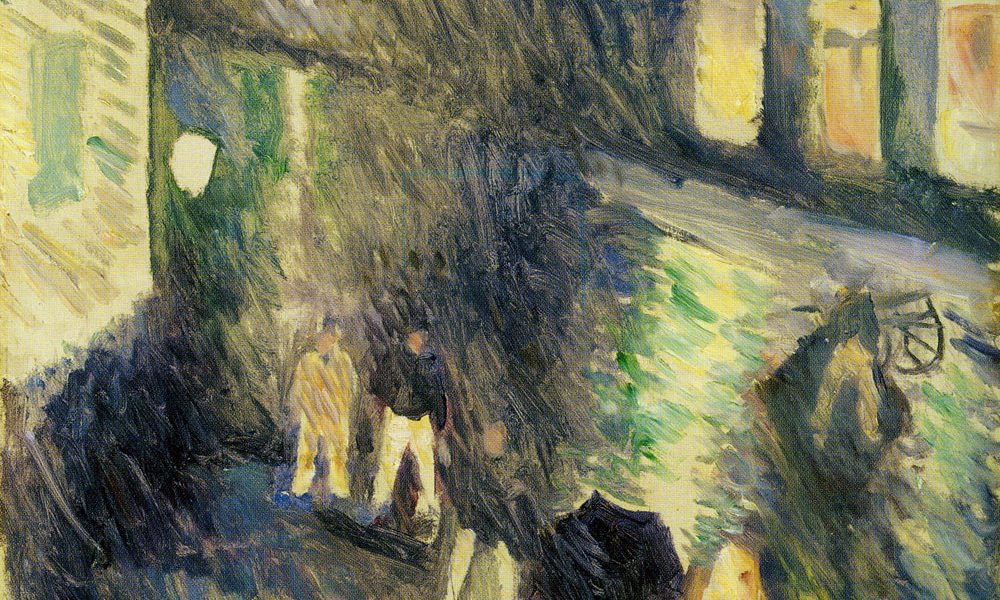
Barometric Reading: Solvej Balle and the New Atmospheric Novel
“Despite what Knausgaard says about the novel’s fixation on time, On the Calculation of Volume is very much about volume: about the sounds, objects, and textures that fills the space of its pages.”
-
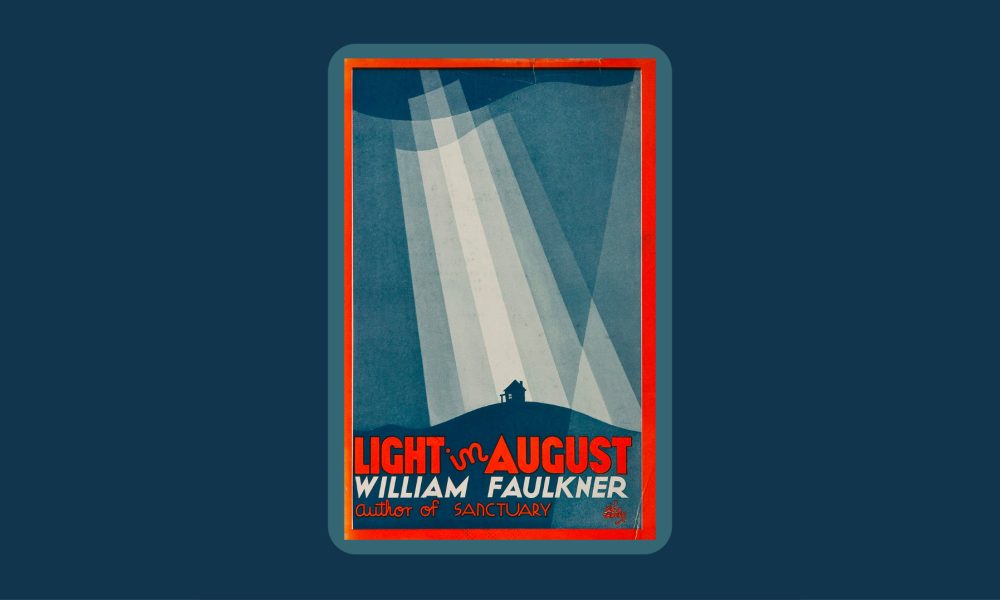
Just Slightly Outside the Circle: Peter Orner and Sarah Wasserman
“You want to go outside yourself and imagine your way into some other space? Go for it. If you want to try and imagine yourself into what you think is your own space, go for it. I say it’s equally as hard.”
-

Beautiful Sentences Matter: Billy-Ray Belcourt and Matt Hooley
“Queer theory in general spoke to me in an embodied way, beyond its important theoretical work, because it revealed for me that beautiful sentences matter and that they can be critical aspects of the reading experience.”
-

They Would Not Dream of Flowers: Translating Through the Tehran Blackout
As the entire country was plunged into a digital blackout, the only light remaining in my room was the cold, clinical glow of my disconnected laptop. There, in that forced isolation, I sat translating a story about death.
-

Is the Cis Literary World Okay?
Contemporary trans literature is thriving in a highly freewheeling manner… How revealing, then, that David Brooks recently suggested that literary fiction has been declining in quality.
-

B-Sides: Lydia Millet’s “Oh Pure and Radiant Heart”
What if you wanted something a bit more from the giants of the past: to force them to look at what they’ve done, to hold them accountable for the world we now inhabit, thanks to them?
-
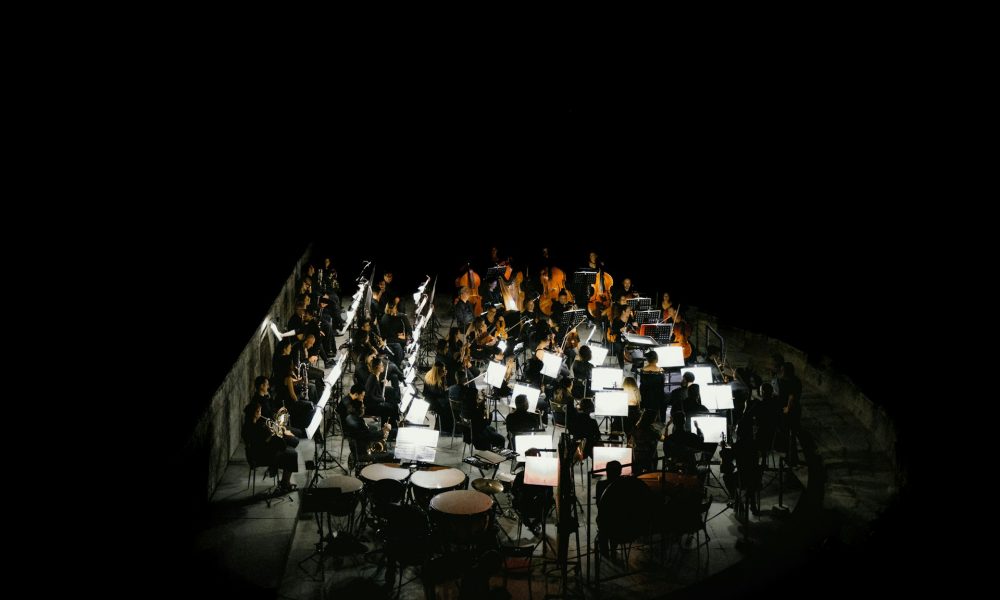
Can Literary Fiction Save Classical Music?
Classical music’s most troubling traditions include erasing Black performers, abusing and harassing in conservatories, and refusing to acknowledge physical injuries.
-

B-Sides: Rebecca West’s “The Fountain Overflows”
Do you find child narrators–their perceptiveness as well as their misprisions, their loyalties, their prejudices–endlessly absorbing?
-

The Past as a Site of Radical Otherness in Nishant Batsha’s “A Bomb Placed Close to the Heart”
“I am a novelist first and a historian second. That’s how the tension you mention resolves itself: I know I’m trying to tell a story.”
-

“Conjuring and Reality”: An Interview with Jeanne Thornton
“Pronouncing a sentence about a person, wrapping them up in your narrative, can be a very gracious action, or a cruel one, or probably most often both.”
-

B-Sides: Stendhal’s “Love”
Are you a banker or a manufacturer or an industrialist? If so, Stendhal doesn’t want you to read “Love”; you wouldn’t understand.
-

Mute Compulsion
The trauma plot and the slut-shaming dossier are actually parallel formations, reveals “The Guest.”
-
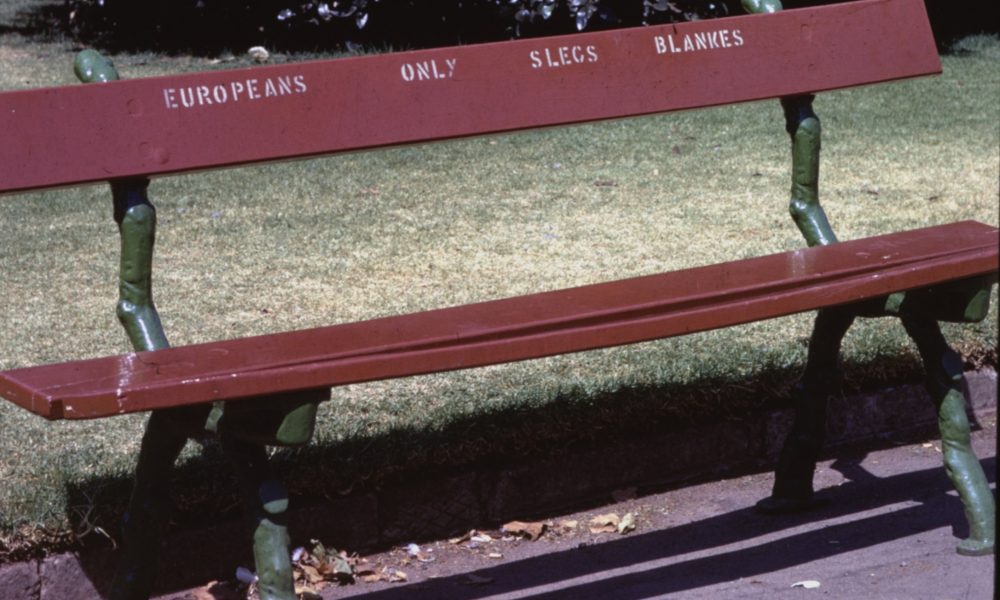
J. M. Coetzee’s “Disgrace” @ 25: A Roundtable
What freshly nuanced perspectives might we bring to the violent late 20th-century history Coetzee describes?
-

“Can the Dead Save the Living?”: Reading Han Kang During South Korea’s Martial Law Crisis
Can literature, by preserving past trauma, stop history from repeating itself?