Tag
Fascism
-
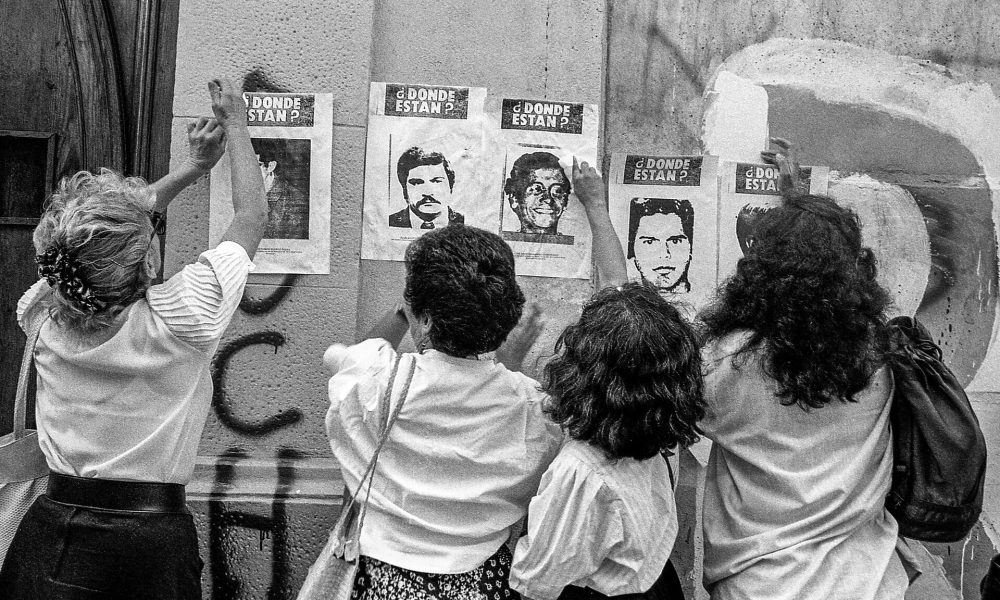
Who Were Chile’s Disappeared?
Mila Burns’s “Dictatorship Across Borders” offers a new history of surveillance, repression, and exile in Pinochet’s Chile and the Fifth Brazilian Republic.
-
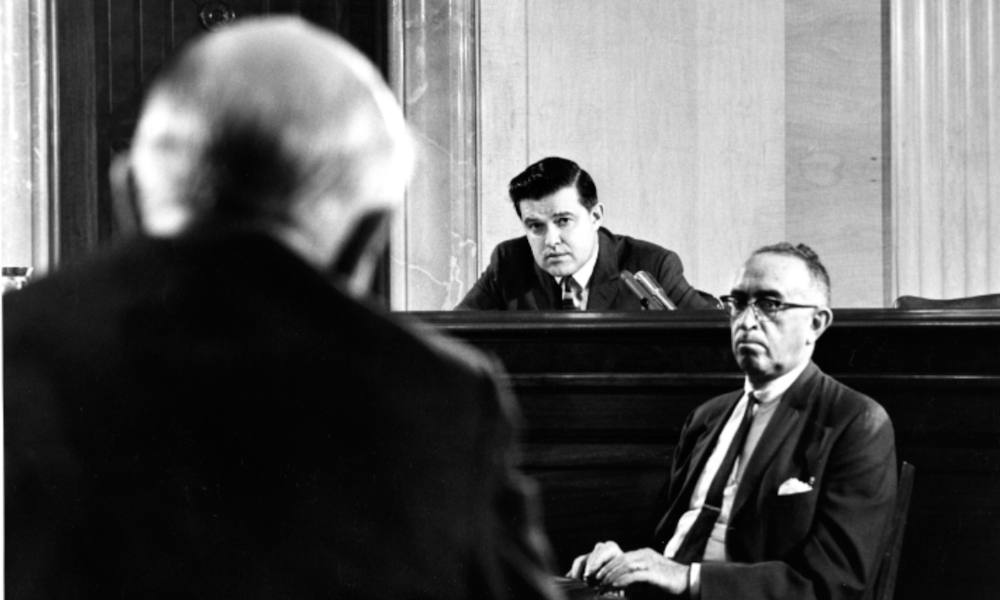
Burglaries, Assassinations, and Mind Control: Talking the 50th Anniversary of the Church Committee Report with Matthew Guariglia and Brian Hochman
-

“Seize the Means of Knowledge Production”: Durba Mitra on Third World Feminists and Their Fight Against Patriarchal Authoritarianism
-

Resistance Disguised as a History Lesson: Fascism and the University
-

Solo el pueblo: Migrant Justice Against Fascism in the Americas


-

What Future for Forgotten Monuments?
Why does the city of Chicago have a monument, gifted by a Fascist dictator, commemorating another Fascist? And why does it still stand?
-

Miguel de Unamuno in Spain’s Memory Battle
As fascist armies conquered much of Spain, a writer publicly and famously denounced high-ranking officers right to their faces. Or did he?
-

Tending Orwell’s Garden
Orwell was free from doctrinaire sectarianism. At the same time, he firmly hated the exact bastards who deserve to be hated.
-

The Melting of the American Mind
Figuring out how people became fascists was the aim of Adorno and his colleagues’ 1950 study, The Authoritarian Personality. Has the answer changed?
-

Imperialism: A Syllabus
Opposition to imperialism unites the struggles of our times. To recognize empire is to take a necessary step towards a more just world.
-

Past Dictators Never Die
What happens when a regime founded upon exclusion, racism, nationalism, and an authoritarian leader ends? In Spain, such a regime never really ended.
-

Reading Against the Line: Translation, Fascism, Erasure
I’m just wary of the tendency to glorify revolutionary violence and masculinity.
-

Fascism’s Cultural Behemoth
Milan 1919: Fascism was founded as a movement almost exactly a century ago, by journalist and agitator Benito Mussolini along with a gaggle of World War I …
-

“Who Knows If They Found Any Burial At All?”
In the novels and short stories about Ferrara that he published in the 1950s and ’60s, Giorgio Bassani uncovered the Fascist side of his hometown that many …
-

Public Thinker: Timothy Snyder on Russia and “Dark Globalization”
Timothy Snyder has taken a region that resists understanding and made it …
-

The Big Picture: Rule by Misrule
Posters declaring “No Trump, no KKK, no Fascist USA!” and the like feature in most anti-Trump rallies. Viscerally, it’s clear what the posters mean: no more threats to children of illegal immigrants, no more sympathy for white supremacists … but the placards do not convey that something more is at stake in the leader’s behavior…
-

The Devil Wears Pravda
In the mid-1930s, amid the Second World War and the Great Depression, competing forms of internationalism—the Communist International, Black Internationalism, the League of Nations—defined the political zeitgeist. In the United States as elsewhere, writers, artists, and activists weighed the possibilities and constraints of these and other formations, as individuals felt increasingly compelled to take a…